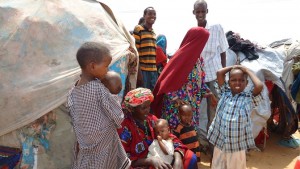
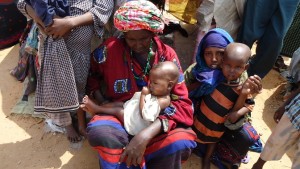
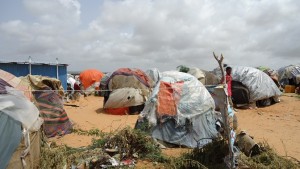
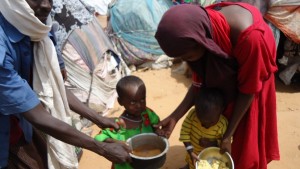
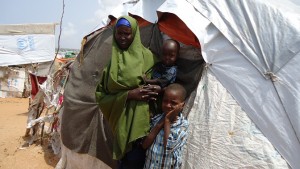
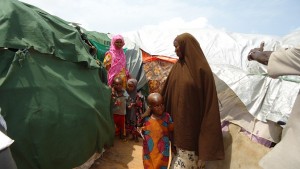
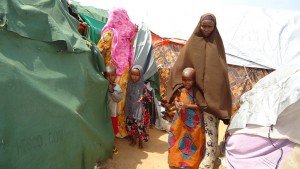
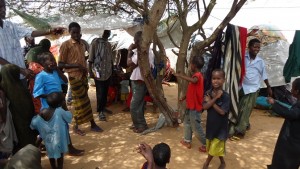
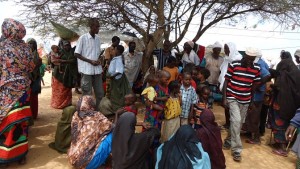
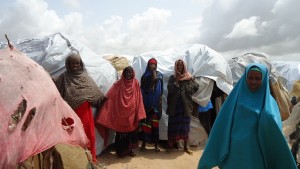
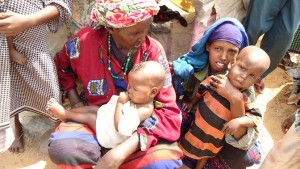
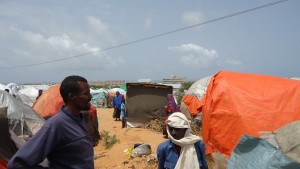
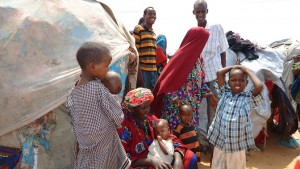
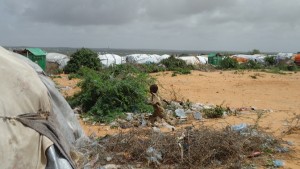
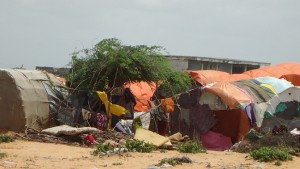
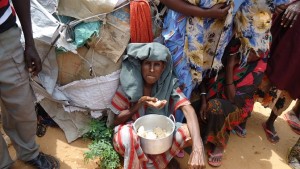
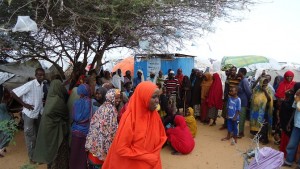
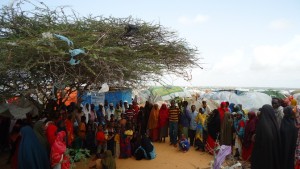
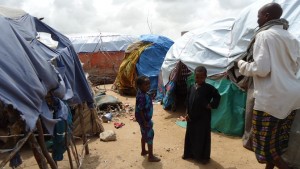
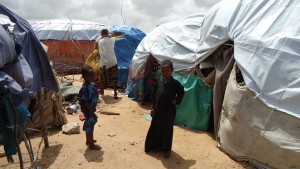
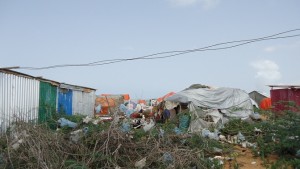
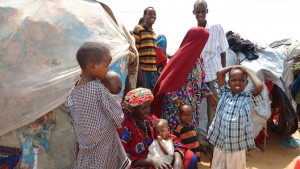
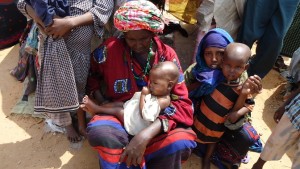
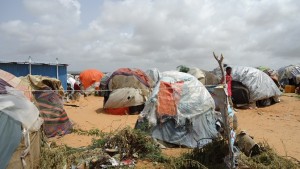
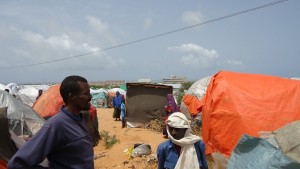
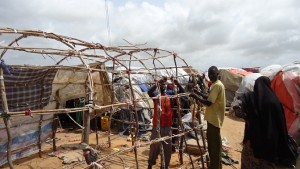
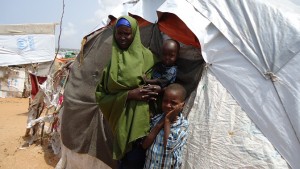
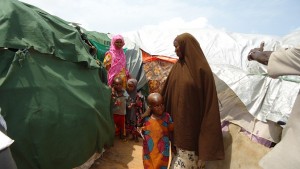
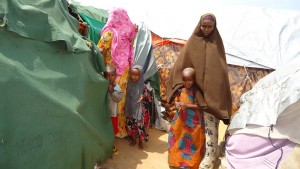
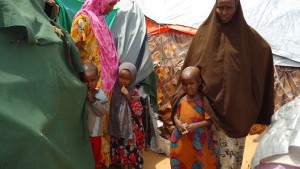
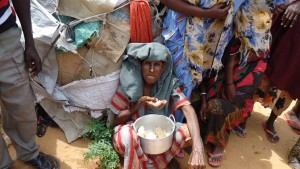
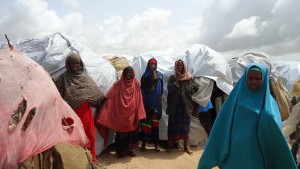
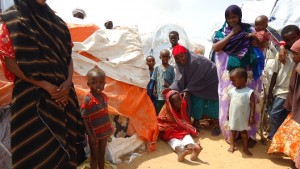
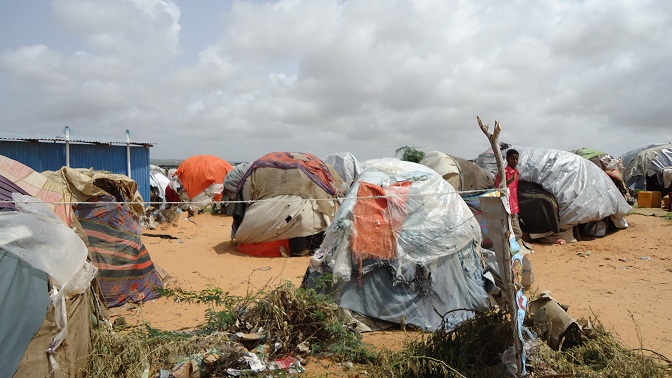
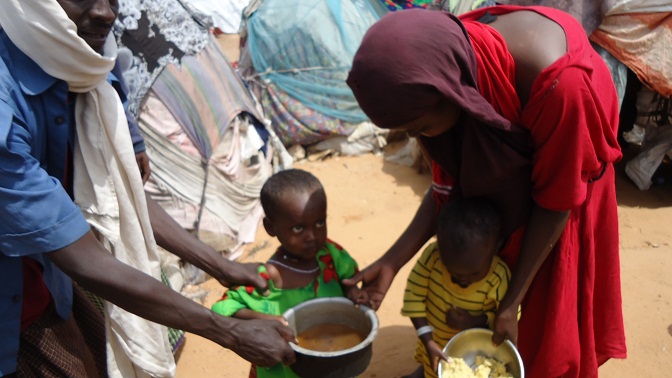
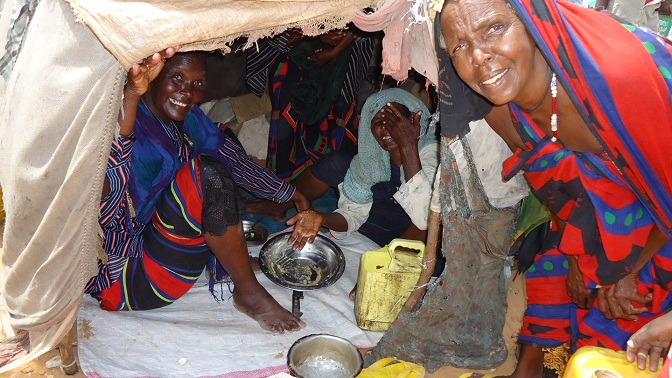
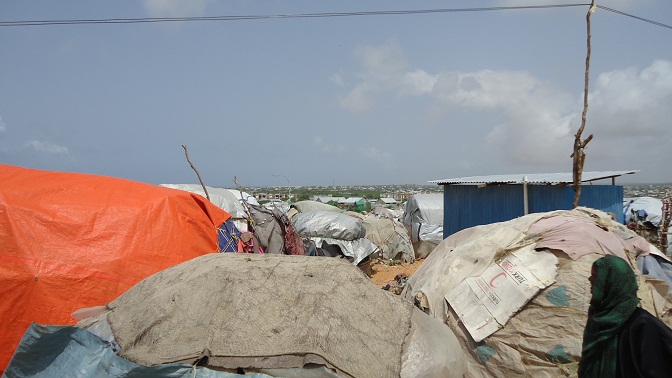
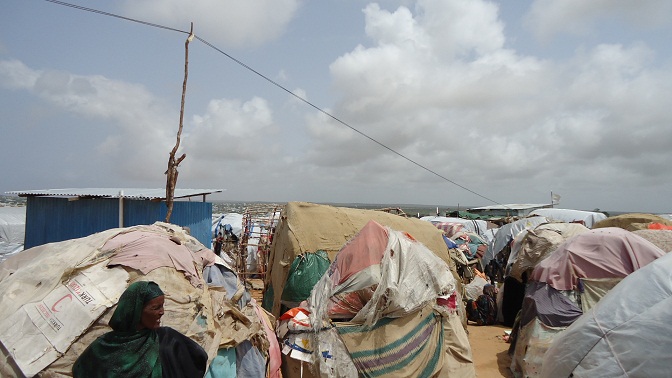
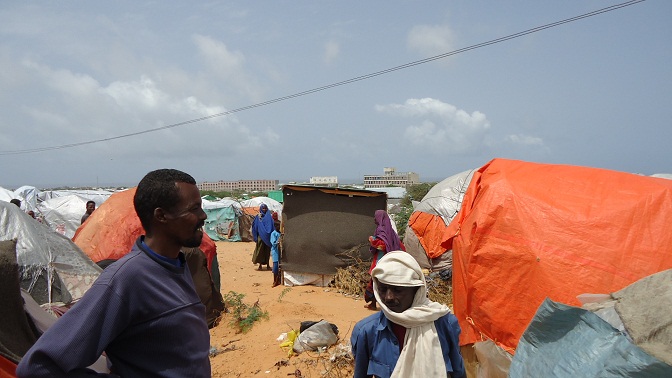
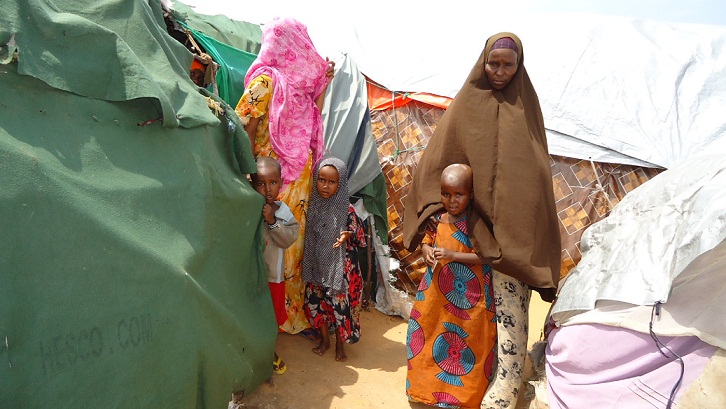
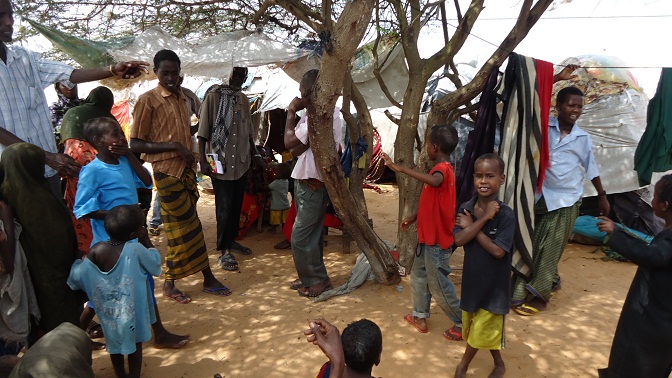
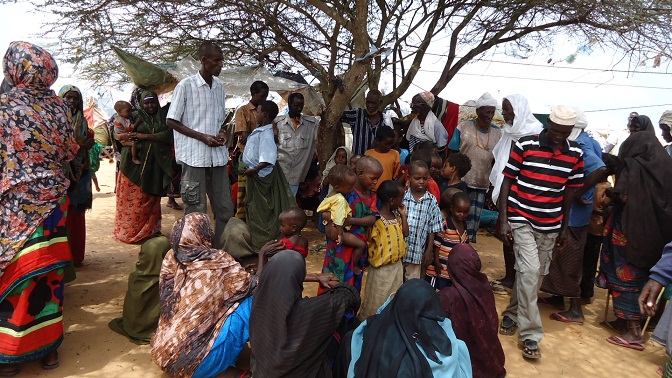
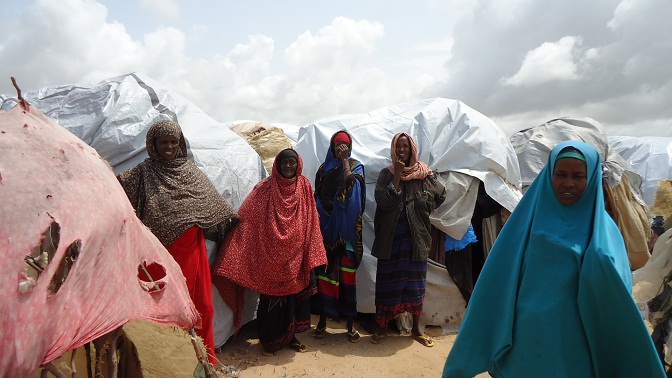
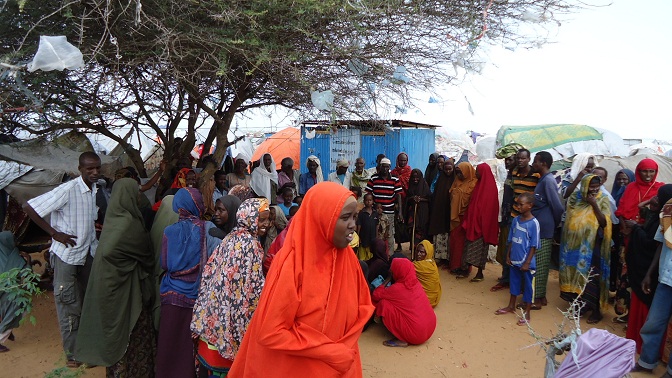
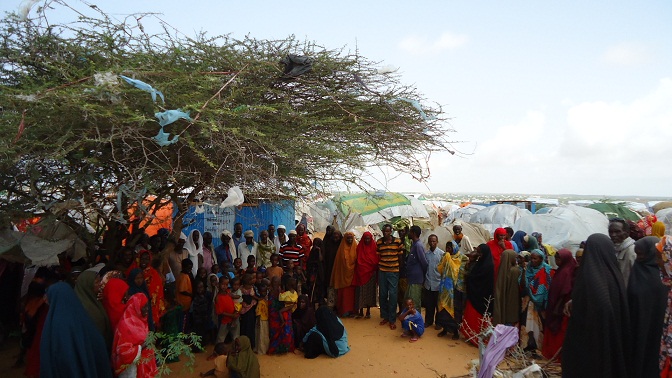
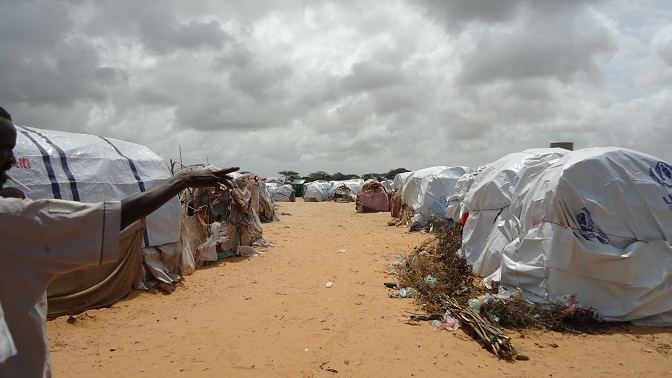
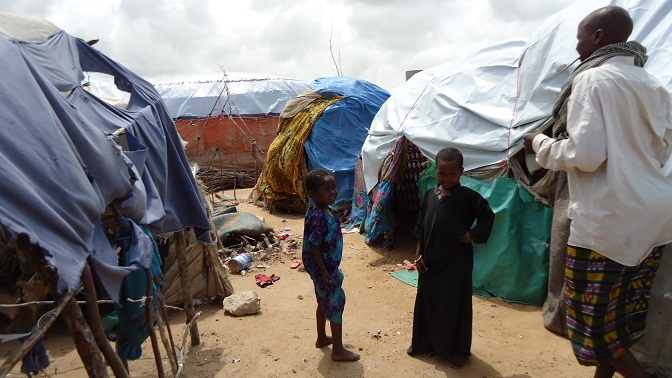
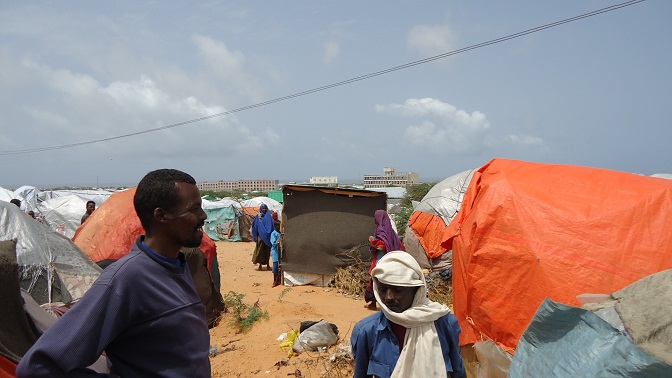
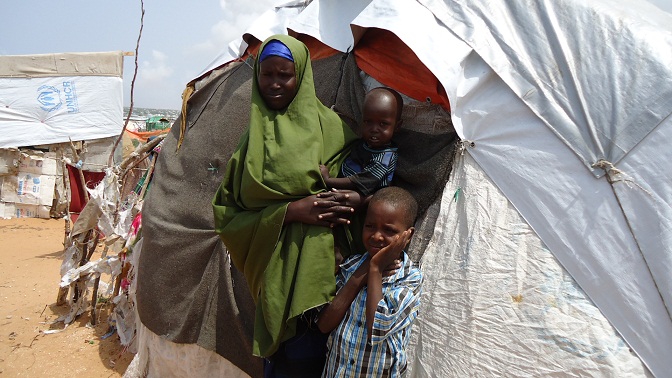
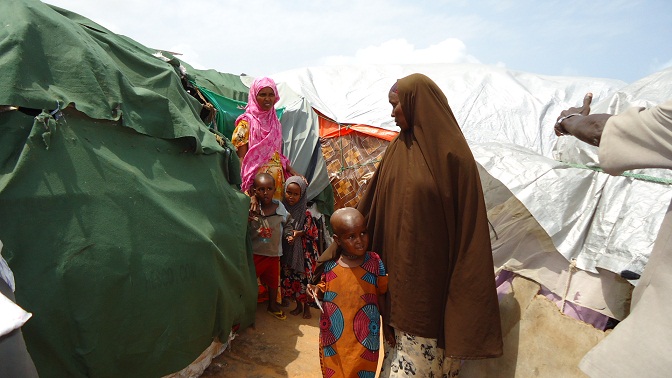
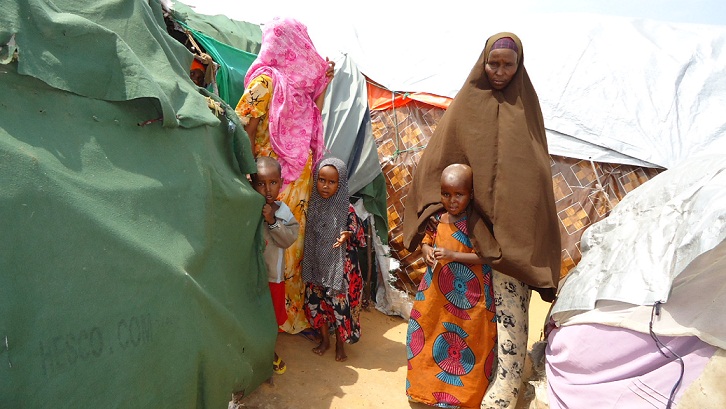
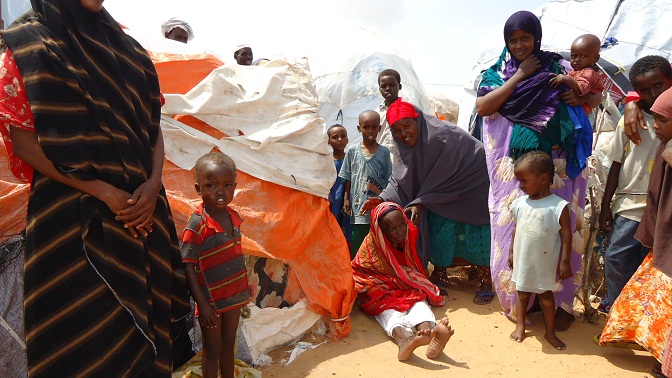
WHAT ABOUT KNOW THE SITUATION OF IDPs IN SOMALIA!!??
Human development is about expanding choices and advancing rights, while violent conflict is one of the most brutal suppressions of these. Conflict is both a cause and a consequence of state collapse and development reversals, perpetuating the dual traps of poverty and violence.
A failure to understand and address the root causes of conflict has hindered peace initiatives in many conflict-affected countries; Somalia is no exception.
It now presents the longest running case of state collapse in post-colonial Africa. Nearly 25 years of diplomatic, military and state-building efforts to unite Somalia under a viable national government have achieved little more than the alienation of large sections of the population.
In a situation where governance and security are provided by a mix of traditional institutions, modern governmental authorities, religious bodies, private militia, and transnational enterprises supported by international organizations, the conventional state-centric model of peacemaking between a government and opposition parties has limited applicability.
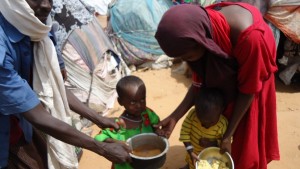
Somalia continues to face one of the worst humanitarian crises in the world, with half the population in urgent need of aid. The 2011 famine that has affected large parts of the south has resulted in the deaths of tens of thousands of people.44 Another challenge is the emergence of Al-Shabaab, the Islamic radical group waging a war against any future secular Somali state by mobilizing a lost generation of Somali youth. Widespread youth unemployment, poverty, and the desire for law and order by the Somali people have contributed to the movement’s appeal.45 Traditionally, studies of violent conflicts relied on historical and political factors to explain why wars emerge, persist, recur and end. In response to the increasing concentration of civil wars in poor countries, however, there has been growing emphasis on socioeconomic conditions associated with frequent conflicts.
Health care services in Somalia were shaped by various administrations such that Government, Civil Societies and other countries such as Turkish government by rehabilitation of existing Hospitals, conducting awareness, advocacy on the importance of health.
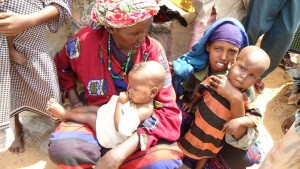
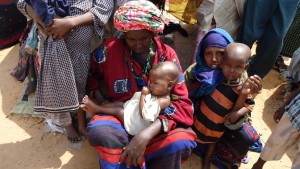
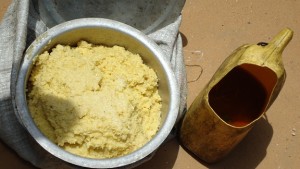
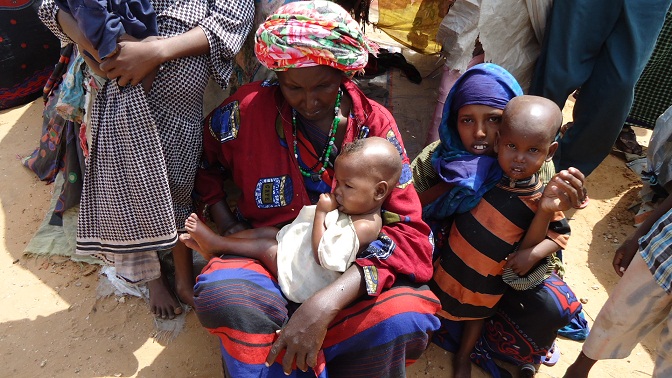
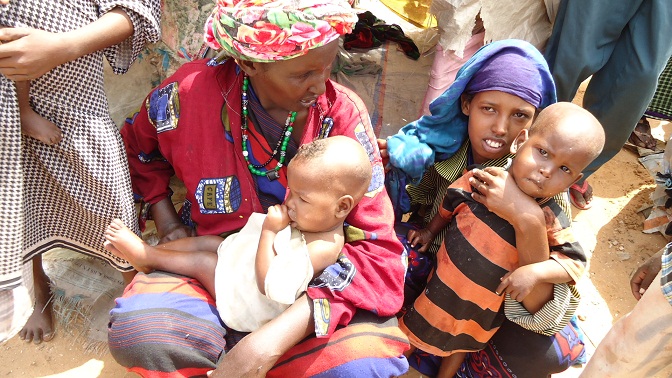
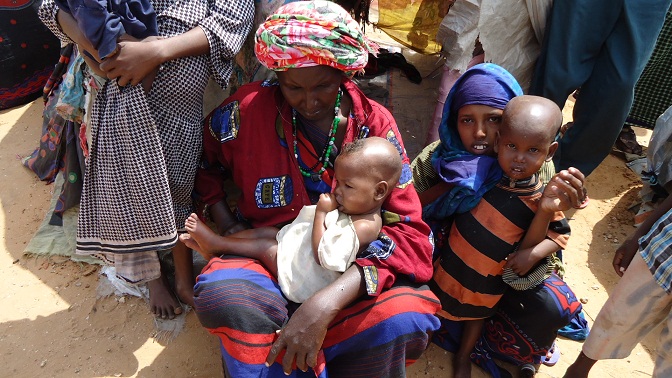
Over 200,000 children under 5 years are acutely malnourished, of which 66% live in southern and central Somalia ‘’FSNAU February 2014 ‘’
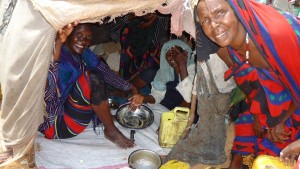
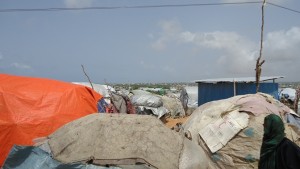
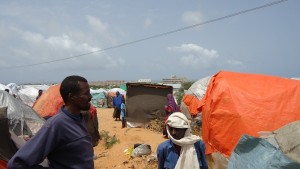
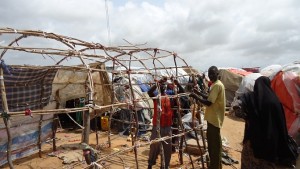
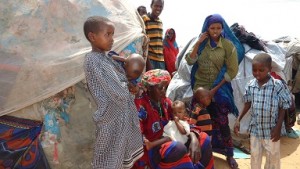
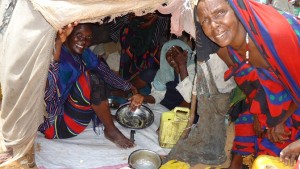
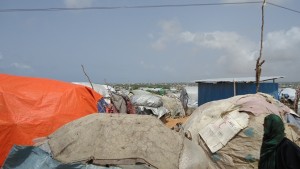
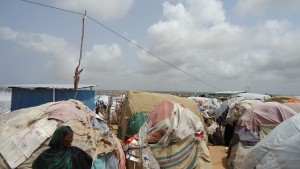
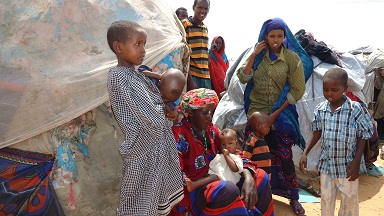
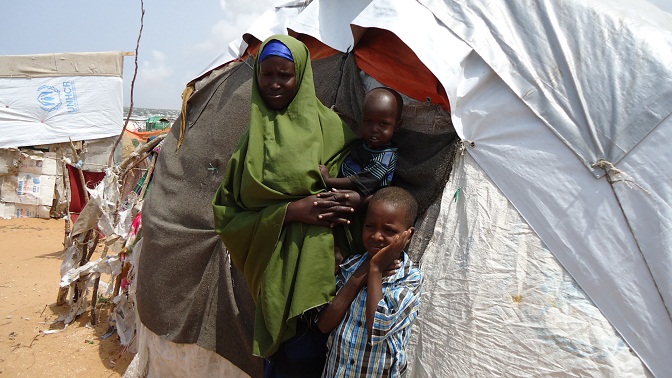
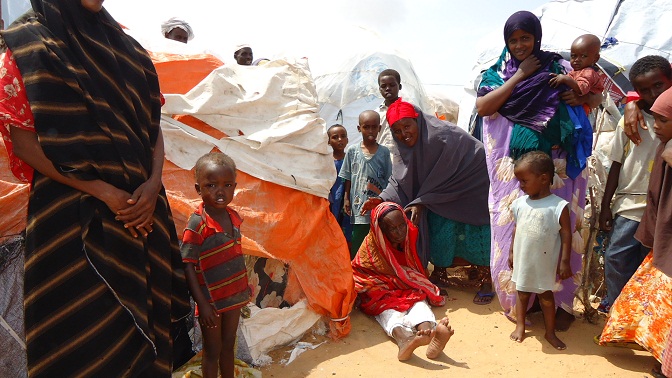
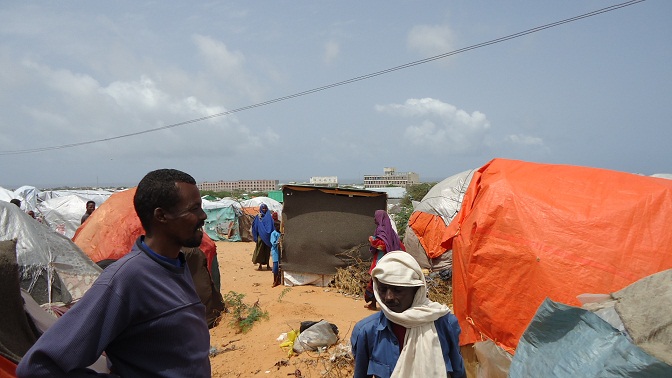
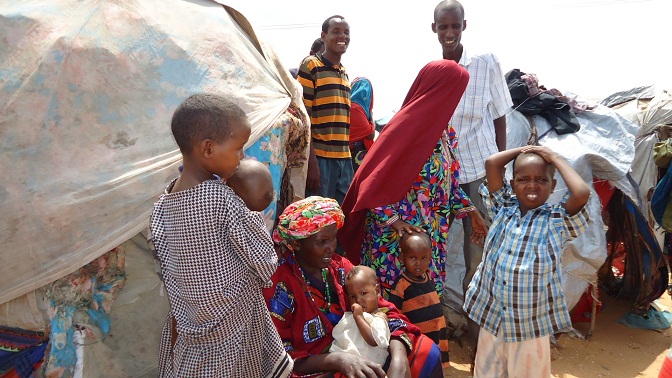
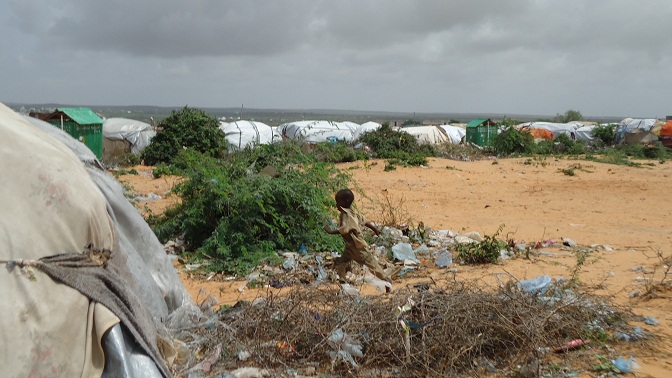
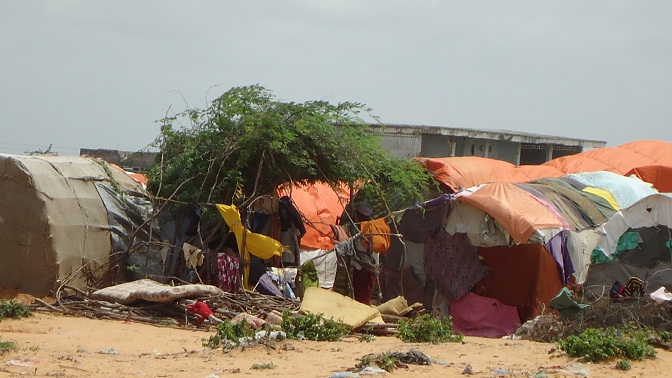
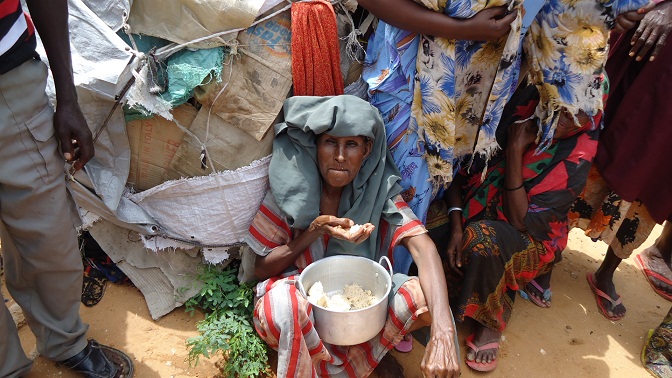
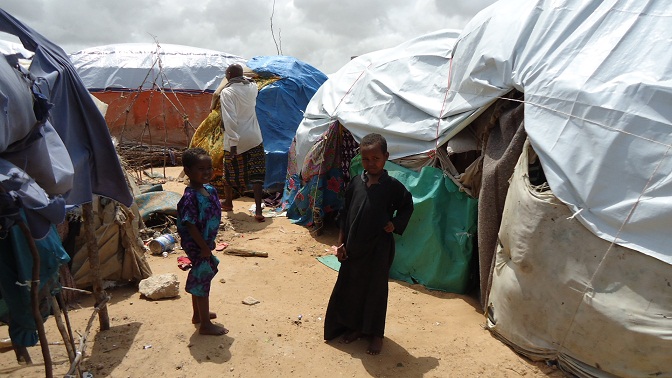
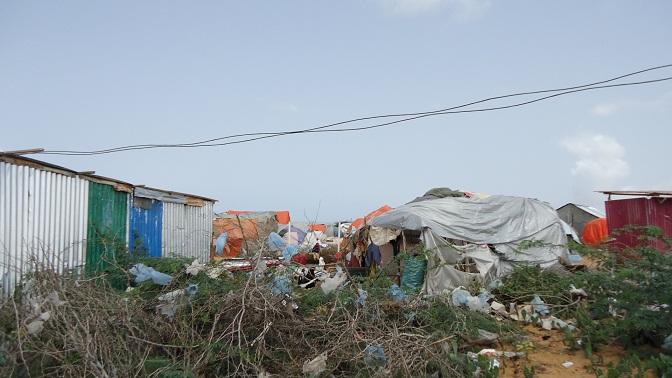
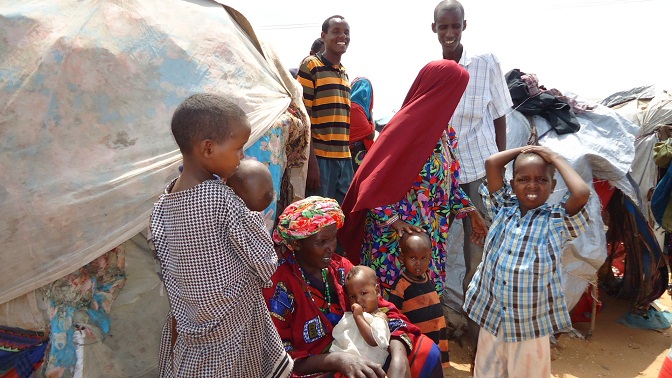
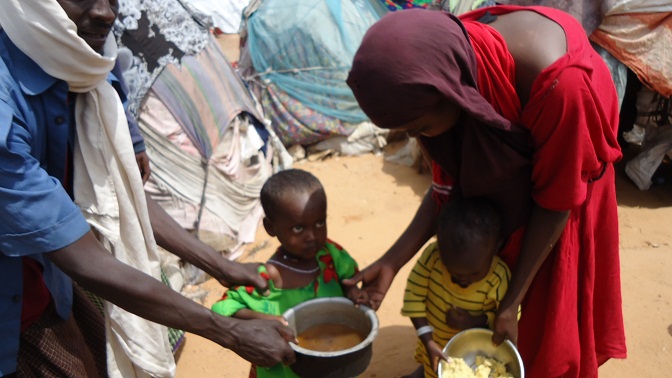
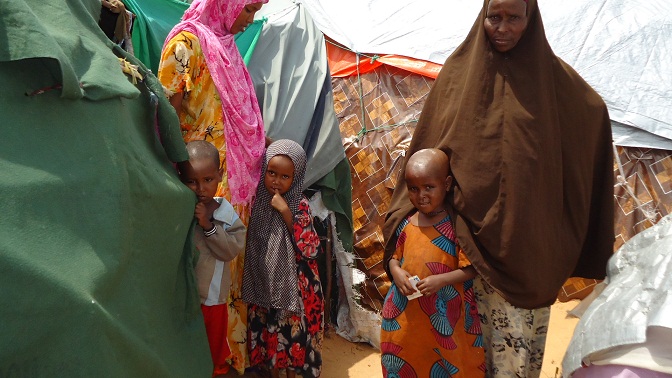
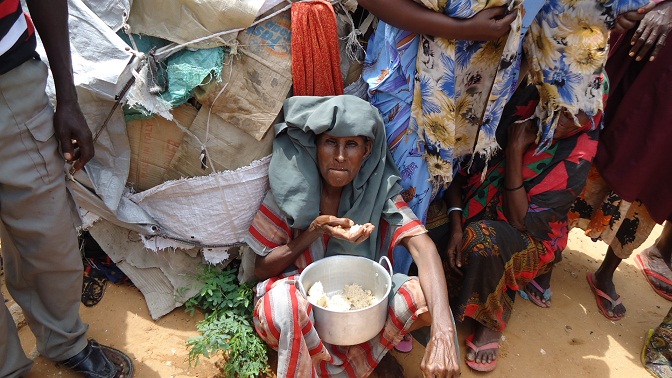
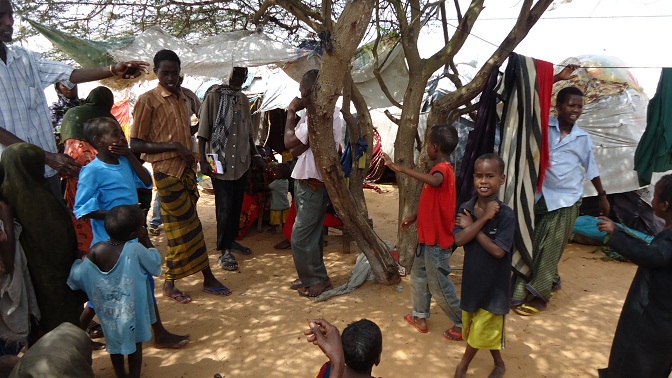
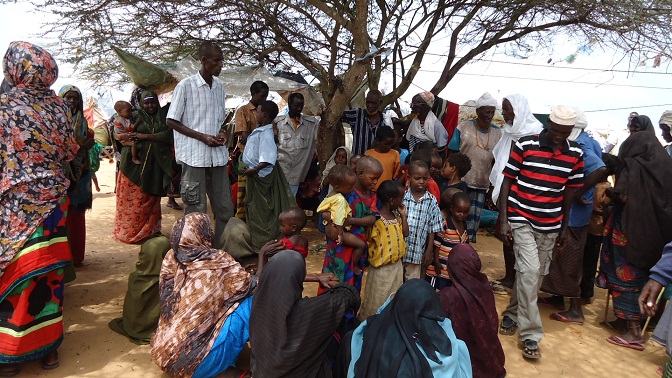
In some parts like Al-shabaab control areas,health services and vaccinations have been spotty due to the insecurity and a lack of access, so populations are in weakened conditions and children are vulnerable to deadly communicable diseases like measles. It usually takes three to five years to rebuild livestock herds. If the conflict continues and the displaced and refugees cannot return home, and if the humanitarian organizations are denied regular access to Somalis in need, conditions could deteriorate once again. In general, 2012 will be a difficult year for millions of Somalis, even with the assistance of the international community. About 3.2 million women and men in Somalia need emergency health services, while 2.8 million women and men require improved access to water, sanitation and hygiene. The impact of this lack of basic services is felt most strongly among the internally displaced people who continue to be affected by cyclical disease outbreaks. .(OCHA on behalf of the Humanitarian Country Team, 2015).
Economic Situation Development / Living Conditions in Somali
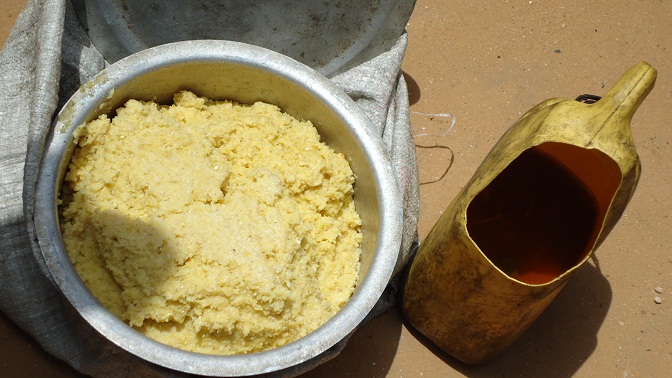
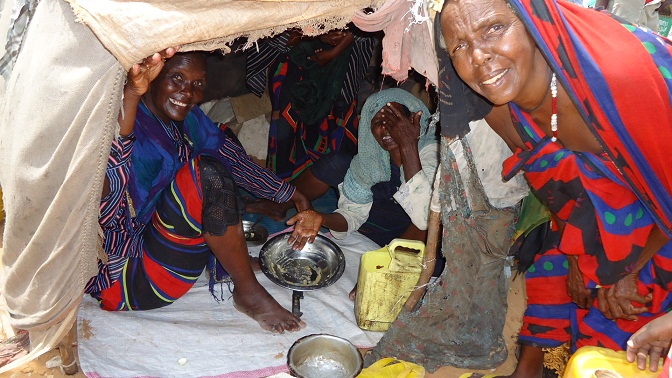
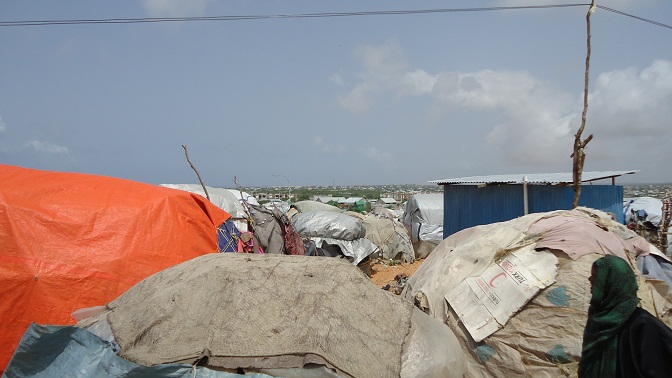
Poor basic services undermine the resilience of vulnerable people. 75 per cent of people are living below US$2 a day (UNDP 2014) . People experiencing acute food security crisis are found in large numbers among displaced people in Bari, Nugaal, south Mudug, Galgaduud, Hiraan, Middle Shabelle, Lower Shabelle, Bakool, Gedo, Middle Juba and Banadir regions, and in rural areas. Of particular concern are urban communities affected by trade disruptions that followed recent military operations in main towns such as Xudur in Bakool, Bulo Burto in Hiraan and also in the Lower Shabelle region, where a significant surge in prices of basic commodities, mainly food, has eroded households’ access to food. Previous analyses indicate that many displaced women are their household’s main income provider.(OCHA on behalf of the Humanitarian Country Team, 2015).
Recommendations
- The Government should safeguard the public morality of society, and promote the social welfare of rural populations.
- The government should prioritize protecting human rights in situations of violence and insecurity with a focus on the protection of civilians, internally displaced persons and journalists.
- Supporting the signature, ratification and implementation of human rights treaties.
- Raising awareness about human, economic and social rights.
- Strengthening the capacity of education and health care personnel’s.
- The government should equip all hospitals with modern technological system i.e. Laboratories equipment.
- Building the capacity of civil society organization.
- Should provide free public schools and health centers Government, LNGO’S and INGO’S
- To give first priority by strengthening the security situation, for both regional states and Central government.
- The demobilization of ex-combatants continues and an emphasis is being placed on training and equipping the police forces
- Strengthen provision of basic health services including returnees, refugees, IDPs, and
- the host community
- Increase access in specifi c underserved areas as well as appropriate services for disabilities